The ScamGator blog
Why Slowing Down Matters When a Caller Refuses Independent Verification
Moving slowly and verifying independently can protect you from phone scams. Learn to spot red flags, take control, and keep your information safe.
Start With Caution: Take a Pause Before You Respond
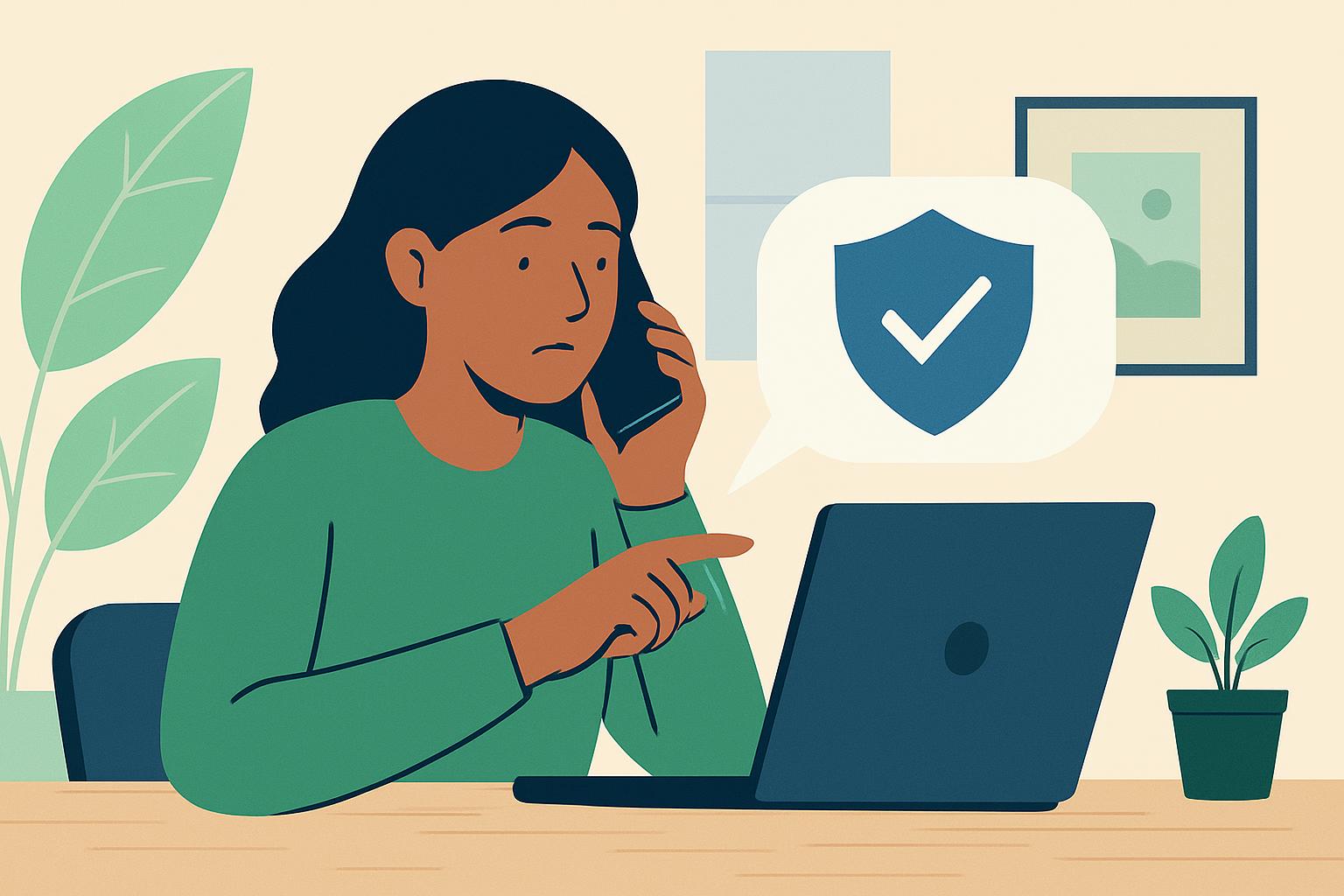
If you receive a call that feels urgent or suspicious, the most important step is to pause. Scammers often try to rush or pressure you so you act before thinking things through. Legitimate organizations understand your need to verify information and will give you time to do so. If a caller refuses or discourages you from independently checking their identity, this is a sign to stop and reassess.
Warning Signs to Watch For
Phone scammers use several tactics to make their request seem urgent or legitimate. Common warning signs include threats of account closures, fines, or negative consequences if you don’t respond right away. They may discourage you from hanging up or from contacting official numbers to verify their story. Requests for personal information, such as account numbers, passwords, or payment details over the phone, are also red flags.
Warning sign: "Don’t hang up and don’t call anyone else. This is confidential – only trust this number. We need your payment information now or your account will be frozen."
Safer action: Politely end the call. Find the real contact information for the organization on an official website or a bank statement. Call them directly to confirm whether there is an actual issue.
How to Independently Verify a Caller
Independent verification means confirming the situation through a different, trusted method, not using any numbers, links, or contact details the caller provides you. Look up the organization’s official contact information yourself. For instance, if a caller claims to be from your bank, use the number on your bank statement or their official website. Call them back and ask whether they contacted you.
Warning sign: The caller says, “You can only solve this issue by following our instructions right now. Looking up information yourself could cause more problems.”
Safer action: Do not follow urgent instructions from the caller. Use your own resources to check what they said. Real organizations will respect your need to verify independently.
How to End Contact Safely
You do not need to stay on the line with anyone who makes you uncomfortable. You can always end the conversation. Say you need more time and hang up. Do not provide personal details, payment information, or answers to security questions. Ending the call removes immediate pressure and gives you space to think.
If you receive repeated calls, do not answer or let yourself be pressured. Block the number if your phone allows it.
Protecting Your Information: Think Before You Share
Never share your personal or financial information in response to an unexpected phone call or message. Even questions about your birthday, address, or family members can be misused by scammers. If you are unsure, keep your information private and verify independently before sharing.
Warning sign: "We need your full name, date of birth, and account number for verification before we can continue. It’s for your security."
Safer action: Do not share information over the phone. Contact the organization directly using a phone number you trust to check if your personal details are really necessary.
What to Do If You Are Concerned
If you have shared information, contact your financial institution or another relevant organization as soon as you can, using an official phone number. They may have steps to help protect your account, though the outcome may vary. Acting quickly improves your chances of reducing risk.
Support from the ScamGator Community
ScamGator is a place where people share experiences and discuss scam prevention. If you want to discuss a suspicious call, do not post personal information or details that could risk your privacy. Protecting your privacy helps the whole community learn and support each other.
Conclusion: Slowing Down Gives You Control
Scammers count on urgency and confusion to catch people off-guard. By slowing down, ending suspicious calls, and verifying information with trusted sources, you give yourself more control. No single warning sign proves a caller is a scammer, but if someone refuses or discourages independent verification, treat it as a strong reason to stop, think, and check before you act.
Visit the ScamGator community to discuss scam awareness. Do not post private account details or personal information.
Visit the community