The ScamGator blog
Staying Safe When You Receive an Unexpected Voice Message: What to Avoid
Learn what to avoid if you receive a suspicious voice message. Early steps, common red flags, safer responses, and how to protect your personal information.
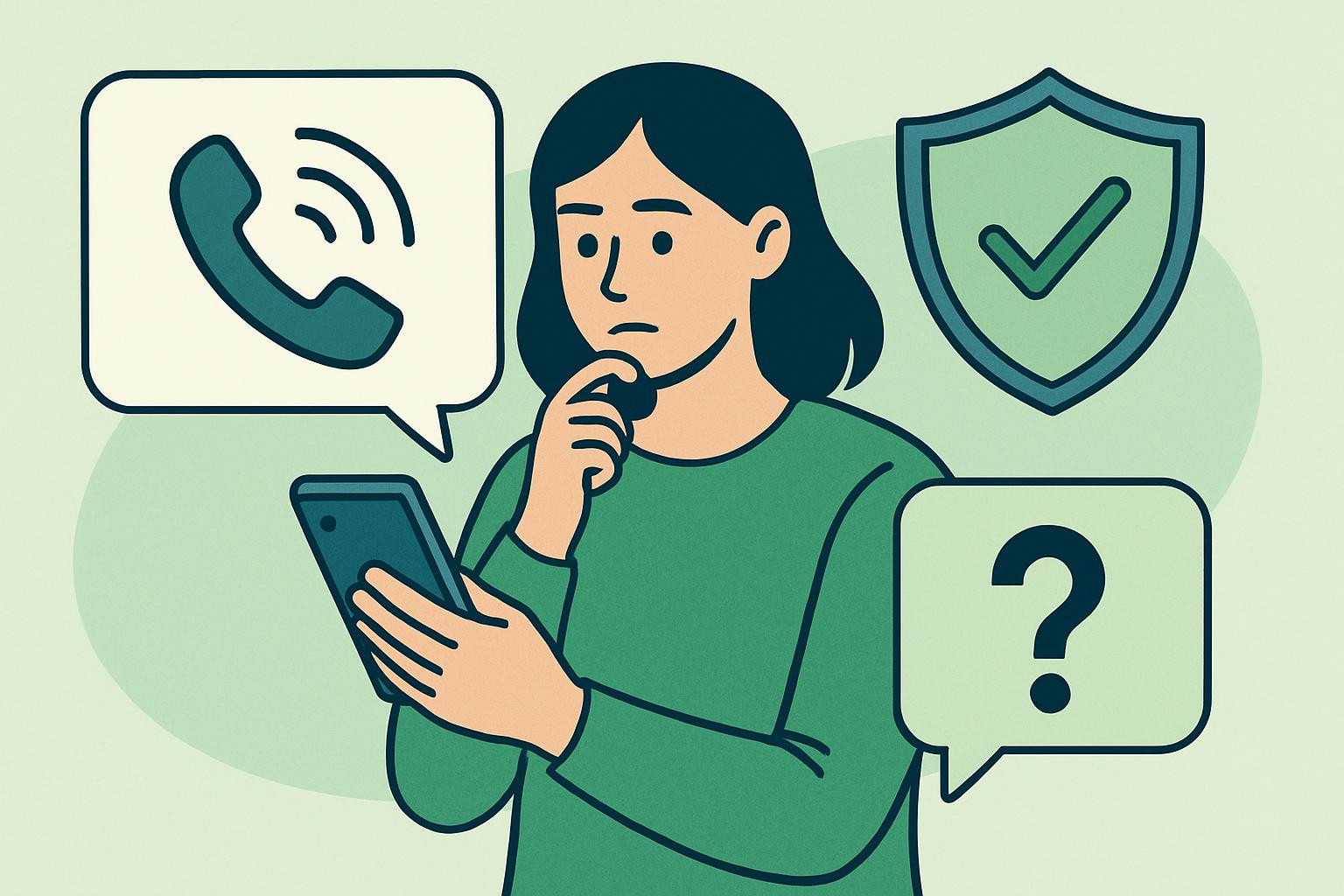
Start Here: Pause and Protect Yourself If you receive an unexpected voice message, especially from an unknown number or someone claiming to be from a familiar organization, take a moment before reacting. Scammers may use urgent or alarming language to pressure you into responding quickly. By taking a step back and thinking carefully, you can help protect yourself from sharing sensitive information or becoming a target for further scams.
Recognizing Warning Signs in Voice Messages While scam messages often arrive by text or email, phone calls and voice messages are also common tools for fraudsters. Voice phishing (sometimes called “vishing”) uses convincing audio recordings or real callers to manipulate victims. Warning signs include: - Urgent requests to call back, verify details, or send information immediately - Claims that your accounts, services, or identity are at risk unless you act now - Requests for payment, passwords, PINs, bank account numbers, or other private details over the phone - Messages from unknown or blocked numbers, or messages with unclear caller identification
Never assume that a message is genuine simply because the caller sounds convincing or uses official-sounding language.
Warning sign: “This is the Security Department. Your account will be shut down in 24 hours unless you respond.”
Safer action: Do not call back using any contact information provided in the message. Instead, look up the organization’s official contact information on their website and reach out directly to ask if the message is legitimate.
How to Independently Verify a Voice Message If you feel unsure about a voice message, even if it references a real company or official agency, independent verification is essential. Use a trusted method to get in touch: - Find the official customer support number or email on the organization’s website, not one included in the voice message - Ask whether the organization actually contacted you and if any action is required - If the message mentions an emergency, pause and verify before responding, choices made in haste can be costly
Warning sign: “You’ve received a refund. Please call us back and provide your banking details to complete the transfer.”
Safer action: Check your records or contact your financial institution directly. Never provide personal or account information in response to an unsolicited message.
How to Stop Suspicious Contact Safely If a voice message seems suspicious, do not reply straight away. Responding can show scammers that your number is active, possibly leading to more attempts. If you already engaged, avoid giving further information and consider blocking the number. It can also help to notify friends or family so they can stay alert for similar attempts. Most importantly, do not feel pressured, legitimate organizations do not expect instant responses to unexpected requests.
Warning sign: “This is an urgent call regarding your tax file. To avoid legal action, call us now with your personal identification number.”
Safer action: Ignore the instructions in the message. Use the official contact information for the relevant government department to check if any real issue exists.
How to Keep Your Personal Information Secure Your sensitive data, including account numbers, social insurance numbers, PINs, and passwords, should never be shared in response to an unsolicited voice message. If the message links to a website or requests you install an app, do not follow these instructions until you can confirm everything is legitimate. Once information is shared with a scammer, it can be very difficult to recover and may lead to further fraud.
What to Do If You Shared Information or Lost Money If you suspect you’ve shared sensitive information or notice unauthorized financial activity, contact your bank, credit card company, or relevant financial institution through its official website or a verified phone number as soon as possible. While recovering lost funds is not always possible, prompt action can help minimize potential damage.
Support, Empathy, and Community Falling for a scam can happen to anyone, and it is important not to feel embarrassed or blame yourself. Fraudsters can sound very convincing. Discussion communities dedicated to sharing information and resources about scams can be helpful, remember not to post your personal or account details in public discussions. Use official government resources for reporting or advice on specific cases, and stay connected for ongoing education and support.
Visit the ScamGator community to discuss scam awareness. Do not post private account details or personal information.
Visit the community