
The ScamGator blog
Spotting the Red Flags: How to Identify Suspicious 'Easy Side Income' Messages
Learn practical steps to recognize warning signs in side income offers, verify messages safely, protect your personal information, and avoid common scams.
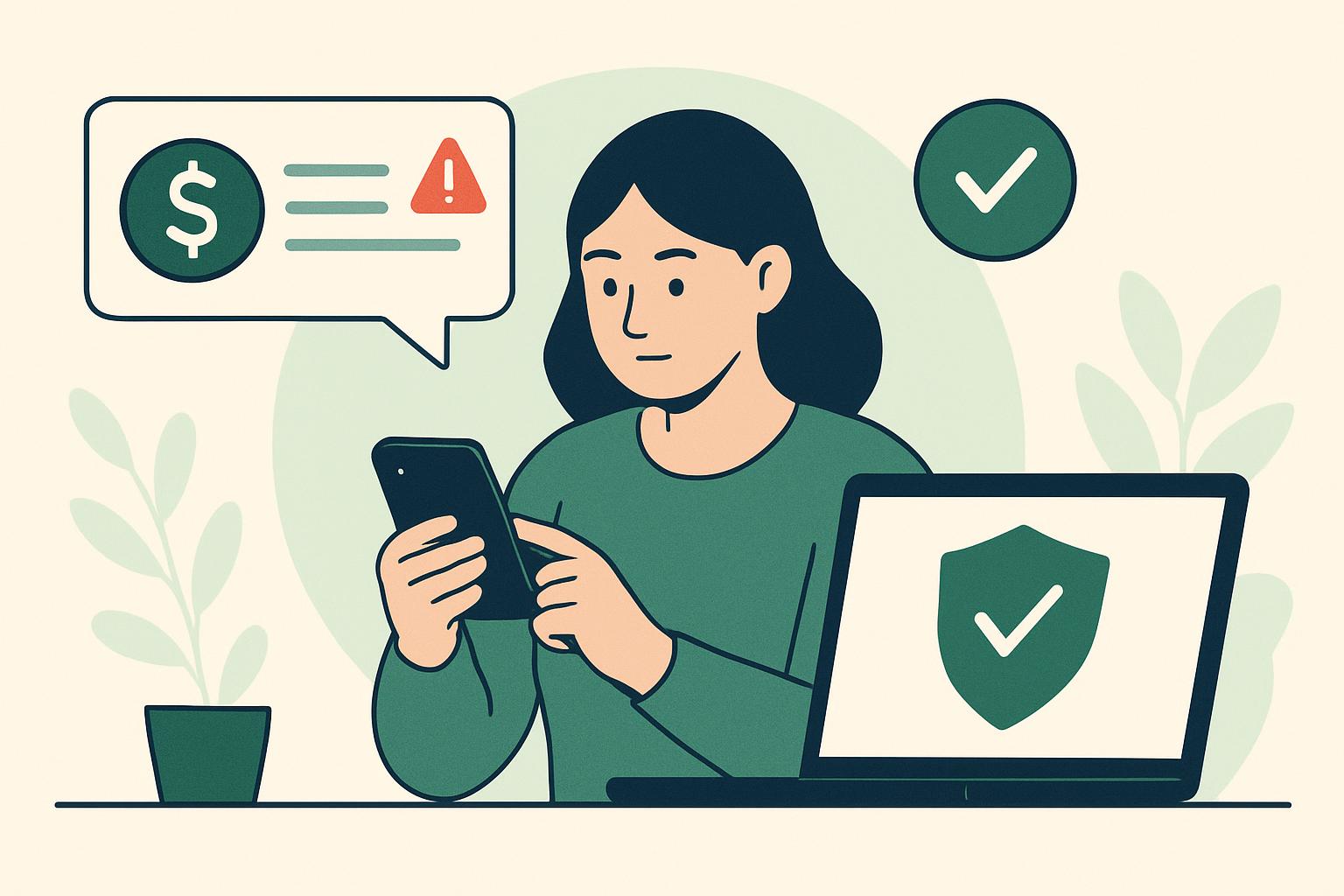
Take Action if You Receive an Unexpected 'Easy Money' Offer
If you’re ever contacted with a message offering easy side income, take a moment before you respond. While many people look for flexible ways to earn extra cash, these types of messages are a common vehicle for scams. Acting carefully as soon as you receive such a message can help protect you from potential financial or personal harm.
Warning Signs to Watch Out For
Scammers often try to seem friendly, urgent, or generous. However, certain clues in a message can alert you to a possible fraud attempt. These warning signs are causes to slow down and double-check. The examples below are fictional illustrations, not reports about real people or companies.
Warning sign: The message comes from an unfamiliar or suspicious email address, with slight misspellings or odd formatting.
Safer action: Hover over or tap the email to inspect the sender’s address closely. Confirm whether it matches the organization's official domain or is a random string of characters. If something looks off, treat it as suspicious. Do not click any links.
Warning sign: The content uses urgent phrases like 'act now,' 'limited-time offer,' or threatens loss unless you respond immediately.
Safer action: Give yourself time. Real businesses rarely rush potential applicants into decisions. Any sense of urgency, especially connected to money or opportunities, should prompt you to verify cautiously.
Warning sign: The offer seems too good to be true, such as guaranteeing high pay for little or no effort, no experience required, or 'just deposit this cheque for us.'
Safer action: Research the job offer independently. Never trust only the information in the message. Search for the company or program name using your browser, not by following any embedded links. Look for independent reviews and official contact information.
How to Independently Verify a Message
Never use phone numbers, websites, or contact details provided in a suspicious message. If you’re unsure about the legitimacy of an offer or organization:
- Find the company’s verified contact information from their official website.
- Reach out to them through an official channel to ask about the job offer.
- If the organization has no presence outside of the message you received, or legitimate sources advise caution, consider not responding.
Safer Steps to Discontinue Contact
If at any point you feel pressure or discomfort, it is safest to stop communicating. You can:
- Stop replying to messages.
- Do not click on any links or download attachments.
- Block the sender on email, phone, or social media platforms.
You are never at fault for being targeted. It’s common to feel embarrassed or pressured, remember, scammers work hard to appear trustworthy. Prioritize your safety and peace of mind by walking away if anything feels wrong.
Guarding Your Personal Information
Always consider carefully before sharing any details online or via text, especially with unknown contacts. Treat unsolicited requests for banking information, identity documents, passwords, or verification codes as warning signs. Independently verify who is contacting you before sharing information, and do not share passwords or sign-in codes. Protect your identity by refusing to provide sensitive data unless you can independently verify who you’re dealing with.
Warning sign: The message requests banking details, identity documents, or payment for a background check or equipment.
Safer action: Never send personal documents, financial information, or money to a contact or company you have not independently verified. An unexpected request to pay before you can apply or start work is a warning sign that deserves independent verification.
If You Suspect You May Have Shared Information
If you think you have already shared personal or financial information in response to a suspicious offer:
- Contact your bank or financial institution directly, using a verified telephone number or website, as soon as possible.
- Explain the situation calmly. Prompt action may help protect your accounts. Your institution can advise you on next steps.
Staying Safe in Community Forums
Online communities can be valuable for sharing experiences, asking questions, and learning about scams. Always avoid posting personal, financial, or identifying information publicly or privately. If you are ever unsure, ask general questions but never share sensitive information. Community members can help support and educate each other in a safe environment.
Conclusion: Stay Alert, Stay Empowered
Anyone can be targeted by a suspicious side-income offer. Recognizing warning signs, verifying independently, and protecting your personal information are practical steps that can make a big difference. If you have concerns, take a break and consult official sources or trusted contacts before acting. Remember, you’re not alone, and it’s always okay to ask for help.
Visit the ScamGator community to discuss scam awareness. Do not post private account details or personal information.
Visit the community