The ScamGator blog
Smart Steps to Verify a Suspicious Charity Request
Learn practical ways to verify charity requests, spot warning signs, protect your information, and act safely before making a donation.
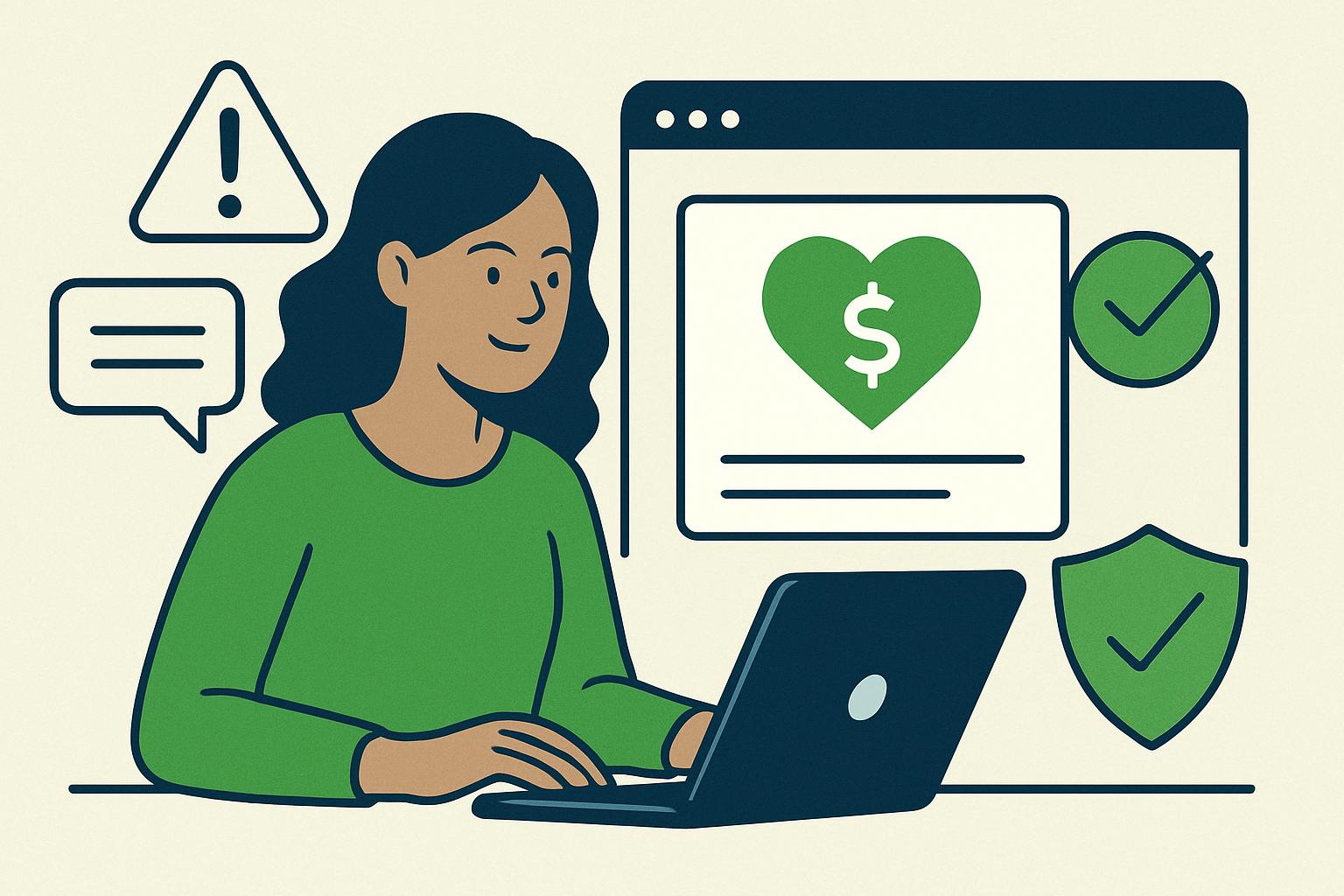
Start with Caution and Independent Checks
If you receive a message asking for a donation to a charity, especially if it’s unexpected or seems urgent, it’s wise to pause before responding. Scammers may pose as genuine organizations and use emotional appeals or pressure tactics to try to convince people to send money. The safest first step is not to act immediately. Instead, independently verify the legitimacy of the charity by using reliable sources that you find yourself, not those provided in the message.
Common Warning Signs of Suspicious Charity Requests
Several features can indicate that a charity request may not be legitimate. For example, messages with spelling errors or unusual phrasing, requests for urgent action, or encouragement to donate by clicking a link or calling a number provided in the message should be treated with extra caution. Be mindful of messages that use pressure tactics, such as claiming that the donation must be given immediately or warning that hesitation could lead to missed help for others.
Warning sign: You receive an email asking for an immediate donation to a disaster relief fund; the sender’s address is slightly misspelled compared to the official organization’s name, and the message contains blurry logos.
Safer action: Delete the message without clicking any links. Search for the charity’s official website using your browser and check for any announcements or donation drives there.
How to Independently Verify a Charity Message
If you are considering responding to or donating through a suspicious message, take steps to verify the organization first. Don’t use the contact information, website links, or phone numbers in the message itself. Instead, manually look up the charity’s official website or published phone number through a trusted source. If the charity is legitimate, you can call or email them directly to ask about the fundraising request. Many legitimate charities are registered with government databases or recognized on reputable charity monitoring sites that you can consult independently.
Warning sign: An unexpected phone call claims to be from a well-known health charity asking for your credit card number right away.
Safer action: Politely end the call and look up the official contact information for the charity yourself. Reach out to them using that information to confirm whether the fundraising campaign is real.
Ways to Stop Contact Safely
If you suspect a message is a scam, simply stop communication. Do not reply, click links, or provide any personal details. Blocking the sender or caller may prevent further unsolicited requests. If you are unsure, you can always step away and take time to investigate before making any decision.
Protecting Your Personal and Financial Information
Never provide financial details, such as your credit card or bank information, through links or contacts provided in an unverified request. Be cautious about sharing your full name, address, or other identifying details. Scammers may use information you share against you or attempt further fraud.
Warning sign: A message congratulates you on being selected for a charitable giving program and requests your full address and banking information to process a 'thank you gift.'
Safer action: Do not respond or share any information. Instead, contact the organization directly using contact details you have found on their official website.
What to Do If You May Have Sent Money
If you think you may have sent money or personal information in response to a suspicious charity request, act quickly. Contact your bank or credit card provider through their official channels to explain what happened. They can advise on possible next steps to secure your accounts. While it may not always be possible to reverse a payment or recover lost funds, acting promptly gives you the best chance to limit harm.
Stay Informed and Ask the Community
It’s natural to feel upset or embarrassed if you’re targeted by a convincing scam. These scams are designed to trick anyone. By staying vigilant and learning from shared experiences, you can protect yourself and help others do the same. If you participate in a discussion community about scam prevention, remember never to post your personal information or financial details there.
Visit the ScamGator community to discuss scam awareness. Do not post private account details or personal information.
Visit the community