The ScamGator blog
Helping a Family Member Assess an Unexpected Voice Message: Steps to Stay Safe
Learn how to support a family member in evaluating unexpected or suspicious voice messages, recognize warning signs, and take safer actions.
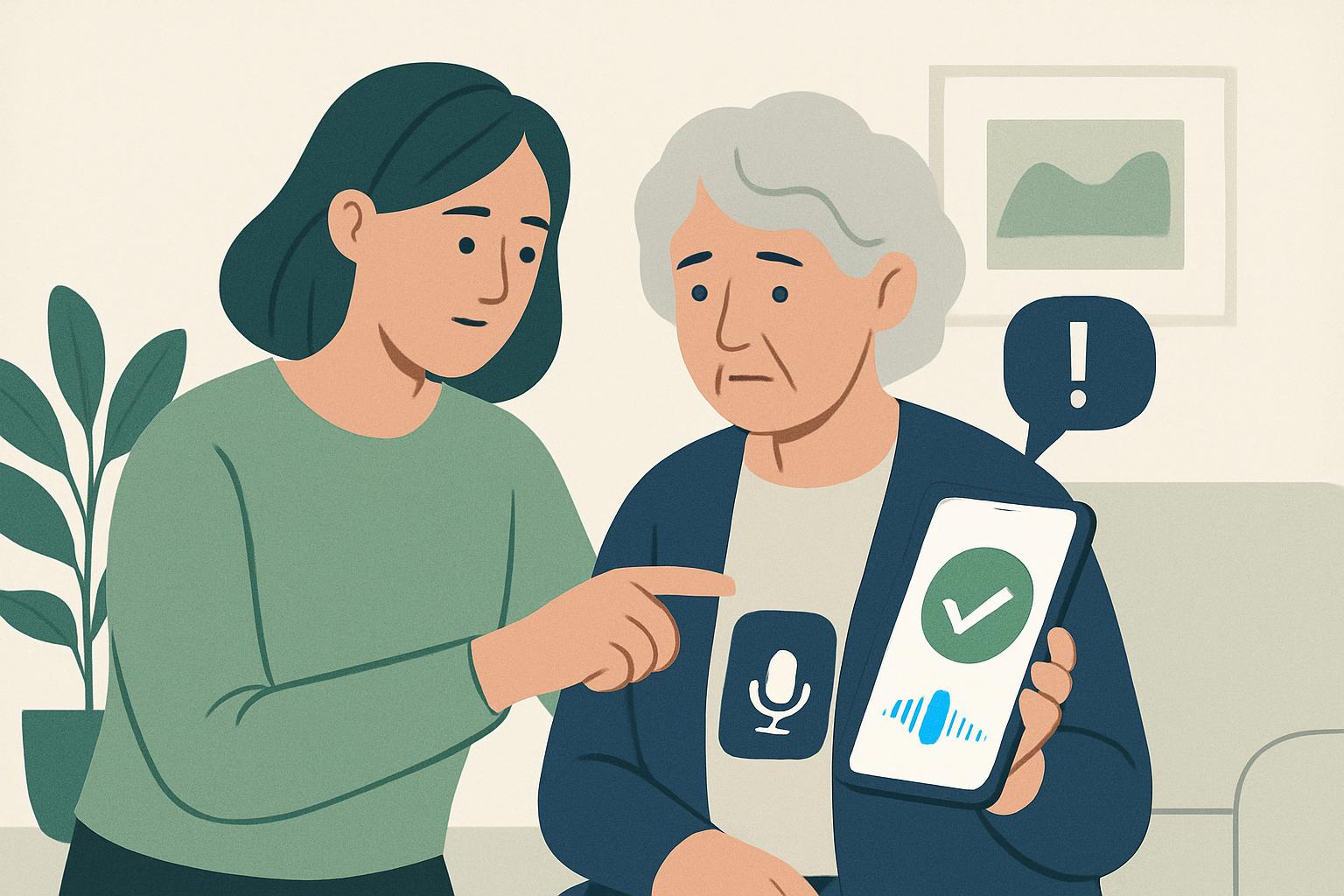
Take Immediate Care Before Responding If a family member receives an unexpected voice message, especially one that asks for urgent action or personal information, it is important to pause before taking any next steps. Encourage them not to reply, call back, or share any personal details until the origins of the message are verified. Even if the voice message sounds urgent or appears to come from a known institution, a cautious review can prevent unwanted risks.
Common Warning Signs in Suspicious Voice Messages Unexpected voice messages can be challenging, particularly if they claim to be from banks, government agencies, or familiar businesses. Here are some typical warning signs:
- The caller asks for sensitive information like Social Insurance Numbers, account details, or passwords.
- The message uses alarming language, such as threatening legal action, fines, or immediate account closure.
- There are errors in the name of the institution or the caller is unclear about who they represent.
- You are instructed to call back, click a link, or follow instructions urgently.
Recognizing these signs does not always mean the message is a scam, but they are strong reasons to verify before acting.
How to Independently Verify the Message The best way to determine if a voice message is genuine is to seek independent confirmation. Offer to help your family member contact the organization directly using information from its official website or an official letter, rather than any details given in the suspicious message. If the message claims to be from a bank, look up the customer service number independently, do not call back the number provided in the voicemail.
Fictional Example:
Warning sign: You receive a voicemail saying, "This is your bank. Your account has been compromised. Call this number immediately or your funds will be frozen."
Safer action: Instead of using the number from the message, look up your bank’s official number on their website and call to ask if there are any problems with your account.
Safely Stopping Contact If the message feels suspicious or is confirmed to be a scam attempt, advise your family member not to respond. Deleting the message is usually the safest choice. Do not try to confront the caller, as this could encourage further contact. Blocking the caller's number can also help prevent future attempts.
Fictional Example:
Warning sign: A voicemail says, "We are from the government tax department. You must send payment today or face arrest."
Safer action: Do not respond to the message or call back. Delete it and advise your family member to use the official tax agency website to check for any real updates or notices.
Protecting Personal Information Remind family members never to share private details like banking information, passwords, or identification numbers in response to unsolicited messages. Official organizations typically do not ask for confidential details over the phone unless you have initiated the contact. If a message asks for such details, always treat it with suspicion and verify through trusted channels.
Fictional Example:
Warning sign: "To reactivate your phone service, provide your account number and PIN now."
Safer action: Hang up and contact your phone service provider using their official website or the number printed on your bill.
Supporting Those Who May Be Worried It is common for family members, especially those less familiar with technology, to feel anxious after receiving urgent or threatening messages. Offer understanding and reassurance, and remind them that scam messages are a widespread problem. Mistakes can happen to anyone, and seeking help early is a wise and responsible step.
What to Do in Case of Possible Financial Loss If any personal or financial information has already been shared in response to a suspicious message, help your family member contact their bank or financial institution using official channels as soon as possible. They can provide next steps to help protect the account. Although financial institutions may be able to take action to prevent loss, outcomes cannot be guaranteed, so acting quickly is essential.
Discuss and Learn Safely Talking about suspicious messages with others can help build awareness, but always avoid posting personal or account information in public forums. Share only general experiences and questions. For more information or reporting guidance, consult official sources.
Visit the ScamGator community to discuss scam awareness. Do not post private account details or personal information.
Visit the community