The ScamGator blog
Fictional Examples and Safer Responses to a Message from an Unknown Sender
Learn how to handle messages from unknown senders by spotting warning signs and following safer steps to protect your personal information.
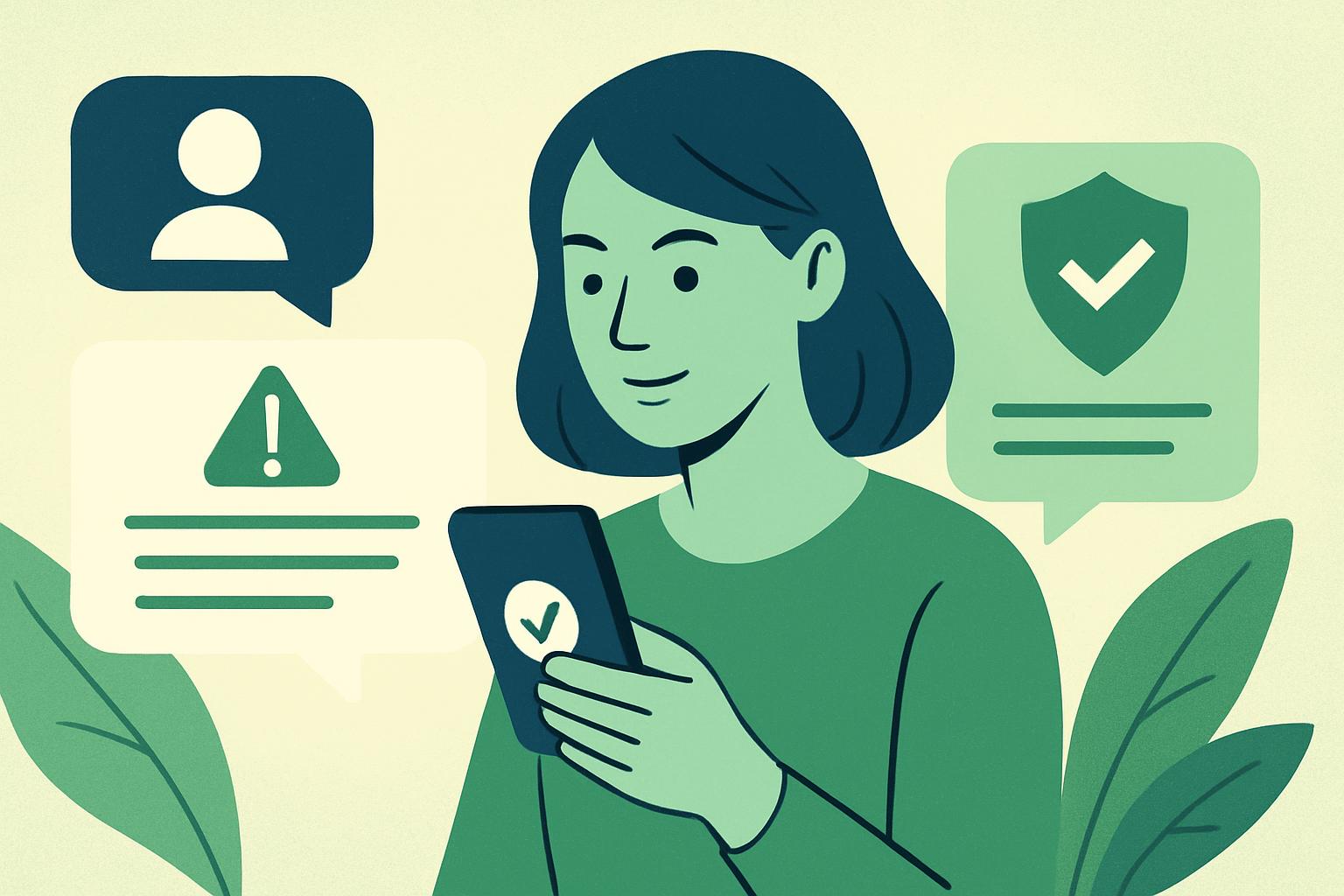
Take Cautious Action First If you receive a message from an unknown sender, your initial response matters most. Do not click links, download attachments, or provide any information before you fully verify the message’s legitimacy. Scammers often rely on quick reactions and emotions to trick people, so taking a moment to pause can greatly reduce your risk.
Recognizing Warning Signs in Suspicious Messages Messages from unknown senders may appear to come from banks, delivery companies, or even friends. These messages often include urgent requests, odd demands, threats, or try to tempt you with rewards. Be on the lookout for these warning signs:
Warning sign: The message urges immediate action, such as “Click this link now or your account will be locked.”
Safer action: Instead of clicking, search for the official website of the institution in your browser and contact them using the details you find there.
Additional warning signs include sender addresses that do not match the organization, poor spelling or grammar, generic greetings, unexpected attachments, and requests for personal, financial, or login information.
Three Fictional Examples
Warning sign: You receive an email saying your video streaming account has been compromised, urging you to verify personal details through a link, and the sender’s address looks suspicious.
Safer action: Do not use any links in the message. Visit the official streaming service website by typing the address into your browser, or contact support using a verified phone number you find there.
Warning sign: A text message claims you have won a contest you never entered and asks you to reply with your bank information to receive your prize.
Safer action: Don’t reply or provide any personal or banking information. Delete the message and, if curious, check the official website of the contest provider to see if any such giveaway exists.
Warning sign: You get a message from someone claiming to be a delivery company, saying your package is on hold and asking you to input sensitive details into an unrecognizable website.
Safer action: Avoid clicking the link; instead, go to the delivery company’s verified website or app directly and look up your delivery status using your official tracking number.
How to Independently Verify a Suspicious Message If you’re ever uncertain about a message:
Pause before responding, clicking, or providing information.
Check the sender’s email address or phone number. Unusual domains or typos are often red flags.
Look for mistakes in the organization’s branding, grammar, or message formatting.
Instead of using contact details provided in a suspicious message, search independently for official customer service numbers or sites.
Contact the organization through their official website or phone number, and ask them if there is an issue.
Safely Stopping Contact With Scammers If you identify a message as suspicious:
Delete the message without replying or clicking on anything inside. Do not engage with the sender, as even a simple reply can confirm your contact information to a scammer and lead to more unwanted messages. Mark the message as junk or spam if your email or messaging platform allows.
Protecting Your Personal Information Never provide personal, financial, or login details to an unknown or unverified caller, texter, or email sender. Legitimate companies rarely ask for sensitive data via email or text. If there is any request for such information, treat it as a reason to double-check the message independently.
If You Suspect Financial Loss If you think you might have shared details or suffered financial loss, promptly contact your bank or relevant institution through a number or website you find yourself, not one provided in the suspicious message. They may be able to support you with next steps. While some losses can be stopped quickly, there is no guarantee, so fast action is important.
Share Experiences Safely If you want to discuss or learn more about scams, community forums can offer a place to connect and share knowledge. Remember, for your safety, never post sensitive or personal information in public spaces. Reading about warning signs and safer responses can help others avoid similar situations.
Visit the ScamGator community to discuss scam awareness. Do not post private account details or personal information.
Visit the community